
Press archive · Luxury Immobiliare
Selective pricing, discerning demand
An end-of-summer review of the Forte dei Marmi market with Fabrizio Zanetti.
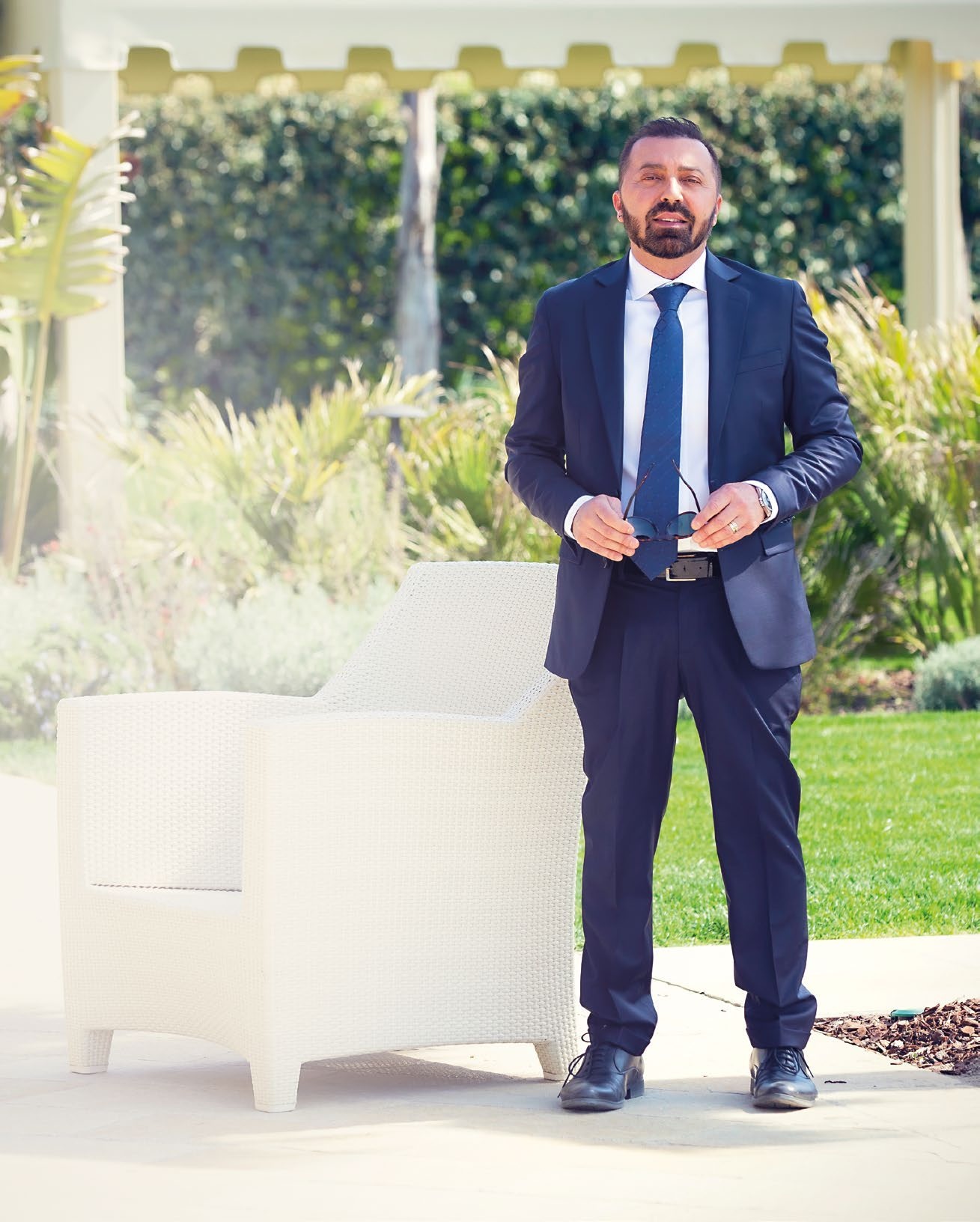
SELECTIVE PRICES, DEMANDING BUYERS
BALANCES AND END-OF-SUMMER CONSIDERATIONS IN FORTE DEI MARMI WITH FABRIZIO ZANETTI
We have returned to Forte dei Marmi to meet successful estate agent and property developer Fabrizio Zanetti, enjoying an engaging conversation with the professional: a brief journey through the rich and varied world of luxury real estate, with assessments, analyses and interesting observations on the summer that has just ended in Forte dei Marmi. And with a close eye on the future.
Zanetti, let us begin with the question everyone asks at the end of the season: how did the summer in Forte dei Marmi really go?
It was a less loudly proclaimed and more selective summer. Less ritual crowding in August, and greater attention to the quality of the offering during the other weeks. There was demand, but it focused on the “right” homes: a recognisable address, a coherent project, usable outdoor spaces and genuine privacy. Everything else slowed down: when the market becomes selective, prices inevitably become selective too.
So who sold well?
Those who were ready in terms of the property itself (a finished and coherent home), the documentation (impeccable compliance) and positioning (a price aligned with the real alternatives). Prime villas in Roma Imperiale and Centro, as well as some in Vittoria Apuana, held their value when they were well designed and ready to use. Where gardens, quiet or a good layout were lacking, negotiations took longer and required either adjustments or works.
Speaking of quiet: have ordinances, restrictions on beach events and “prohibitionism” affected high-spending clients?
The luxury client is not looking for a nightclub beneath the house: they prefer order, security, privacy and a carefully curated cultural and gastronomic offering. If communicated well, the regulatory framework protects the Forte brand. The reputational risk arises only when the message becomes “nothing but prohibitions”: this must be balanced by recalling that the area offers elegant evenings, art and premium services. In short: less noise, more substance. That is what top-end demand is asking us for.
How should communication in Forte dei Marmi evolve?
The huge influx of guests who do not speak Italian makes systematic communication in English essential (magazines, concert programmes, event calendars, signage, institutional websites and social media). Much local communication is currently only in Italian: foreign guests do not even browse the magazines because they cannot decipher the content, losing a channel that could direct them towards the right services, the professionals they need and the best places to spend the evening. In other luxury destinations, English is the standard: we should do the same here, at least bilingually. A language upgrade would bring more connections, more business and a better experience for everyone.
Where is value moving today in Forte dei Marmi?
Roma Imperiale remains the icon. But we are seeing a broader map of desire: Centro close to the sea for the “walk-to-beach/market” lifestyle, Vittoria Apuana’s best streets for families and gardens, and quiet second rows just a few blocks from the beach. Areas such as Caranna and Vaiana offer opportunities to those who invest in a project: a tailored renovation changes the perception of value more than the sheer distance from the sea.
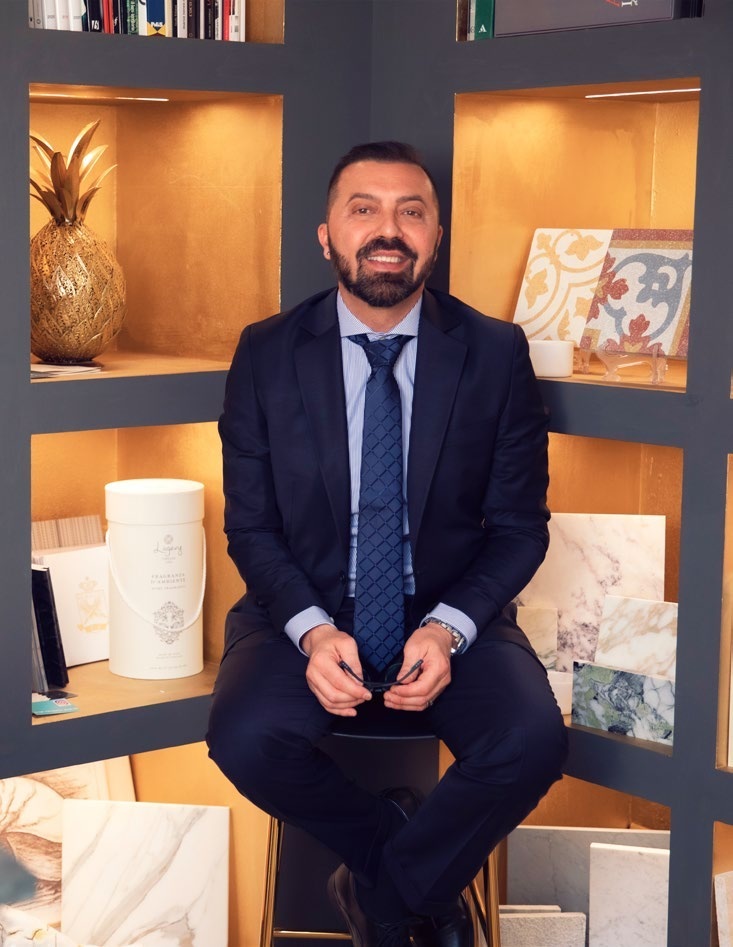
“Tailored” is a word that comes up often. Which features really determine price in 2025–26?
Value today is built from very concrete ingredients. It starts with a truly usable garden, with depth, shade and visual privacy; continues with liveable outdoor space — covered terraces, pergolas, an outdoor kitchen and paths that remain dry — and with a well-integrated swimming pool, including all authorisations. Indoors, acoustic comfort and insulation matter, as do discreet home automation and expressive materials: natural stone, well-treated wood and coherent metals. In practical terms, an internal parking area with at least two spaces and an electric-car charging point make a difference, as do genuine energy efficiency, an intelligent layout (fluid living area, principal suite, equivalent guest bedrooms) and, above all, impeccable town-planning, cadastral and systems compliance. When these elements are present, the price holds; when they are missing, the “discount” is not a gracious concession: it is simply a rebalancing of perceived value.
And what about prices?
More than the absolute figure, what matters is the gap between the asking price and perceived value. In prime areas, the differential narrowed when the property was ready and coherent; elsewhere, it widened until the seller realigned the price or specifications. The lesson is simple: asking is not the same as obtaining.
That said, we have to acknowledge a certain decline in both sales and rentals. It is a phenomenon we also see in haute couture and among major luxury brands: high-spending clients demand consistency between the asking price and perceived value. Sellers need to be more open: sometimes they reject significant offers as if it were a game, taking it for granted that “sooner or later” someone will arrive at the price set “by feeling”. But the market does not work by feeling: it is rational, especially when we are talking about transactions of €7 to €15 million (and above). If the offer is serious, it must be carefully assessed; otherwise, many properties remain on the market for a long time because of a mutual inability to weigh value correctly.
How have negotiations changed?
Less emotion, more method. Today’s buyer wants integrated due diligence: technical and documentary checks, plus estimated CAPEX for any works (timelines, supplies and permits). They ask for credible schedules and the names of contractors and suppliers. A seller who arrives with the complete property file ready — correct floor plans, compliance documents and deeds — shortens the process and protects the price.
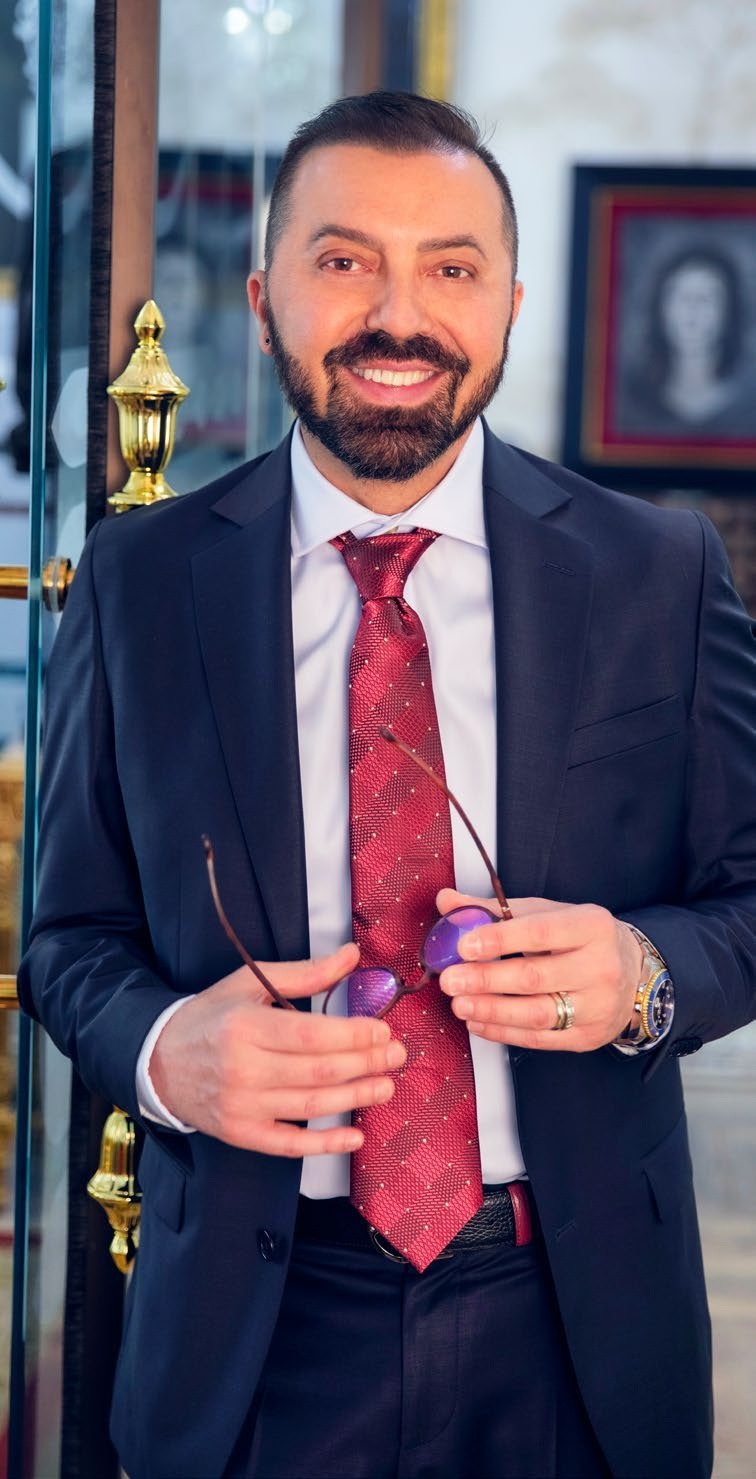
And I would add that the slowdown we have seen in rentals and some sales has many causes, but one weighs more heavily than the others: lengthy authorisation procedures. Often, small discrepancies that need to be regularised before the deed are enough to block a transaction or extend it by six months, even up to a year; this discourages potential buyers and hardens negotiations.
Permits and building sites: what should we expect after the summer?
Autumn is the ideal window for opening new building sites and for creating swimming pools and gardens, renovating roofs and façades, and replacing windows and doors. First come the permits: authorisation planning sets the building-site schedule. It is not something to improvise. Then there is the supply chain: marble, made-to-measure windows and outdoor lighting must be ordered well in advance, with production and delivery slots reserved. Finally, there is project coordination: the distance between a beautiful rendering and a genuinely finished home is called project management. Where coordination is lacking, time and costs rise; where it is properly managed, delivery is completed well and on schedule, typically by spring.
How is the building business performing?
For us, positively. We are fortunate to work with loyal clients: they often purchase through us and, almost always, also entrust us with the complete renovation — right down to the furnishings.
That said, Forte dei Marmi has an ambivalent relationship with building sites: everyone wants new and beautiful villas, but not everyone accepts that excavators, lorries and heavy vehicles have to pass through in order to build them. There is some unavoidable inconvenience: noise and traffic. But it is the price of renewal: imagine if Forte had remained frozen in the era of 1960s villas.
At times, excessive regulations and a lack of tolerance weigh heavily (the “race to file complaints”): some people, newly arrived from the metropolis, call the police at the first sound of a lawnmower. Mutual understanding is needed: the development of a community also depends on those who invest and build. And regarding public administration, I say: let us halve the timelines. We are paying for years of staff shortages; a task force is needed to eliminate the backlog and bring approvals down to a few weeks. It would be a positive revolution: more transactions, more investment and more jobs. Imagine if the news got out that in Forte dei Marmi you could obtain a permit for your villa in 60 days: it would change everything, for the better.
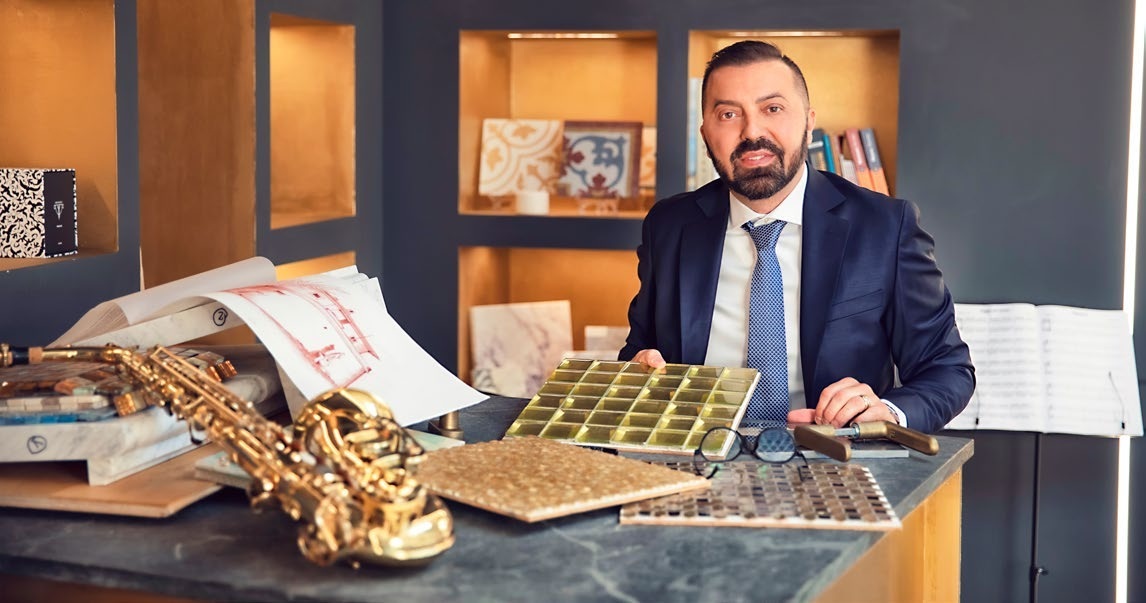
What role do high-end rentals play?
Here, luxury does not chase yield. Professional management for 8–10 weeks a year helps cover costs without distorting the property’s character. In this segment, the game is not about volume but care: guests are selected, hotel-style services are provided, and the house is maintained through timely preventive maintenance. Above all, it is a lifestyle choice rather than a yield-oriented strategy.
Italian and international clients: who drove the market?
I see three families of buyers. Italians seeking an “upgrade”, who know Forte well and are now looking for a leap in quality: more greenery, more quiet and more comfort. High-spending international buyers — from the United States, Switzerland, Northern Europe and the Gulf countries — with extremely high expectations regarding finishes and services. And then those returning from the Milan–Emilia–Liguria axis, who alternate family use with a highly curated short stay. They all share one trait, however: for them, time is the real currency, and they invest it only in homes that genuinely work.
What is your forecast for Forte dei Marmi’s property market in 2026?
In the base scenario, I see prices in the “prime” areas remaining stable, with slight resilience: homes that are already finished and well made will continue to trade regularly; where there are quality gaps instead (incomplete projects, weak finishes or imperfect documentation), I expect a period of adjustment. The main risks are slow permit issuance, rule changes that create uncertainty and, in the background, macroeconomic uncertainty. The potential upside will come if building sites are managed well (reliable schedules and credible specifications) and if the area communicates positively — culture, dining and premium services. In that case, international demand will consolidate and could drive volumes and, selectively, prices as well.
A practical piece of advice for someone selling tomorrow morning
Three words: order, consistency, coordination. Put your documents in order, and take care of the garden and lighting. Entrust coordination to a single point of contact: viewings, enquiries and paperwork — everything should pass through that person. Then the price is not a wish, but a consequence.
And for someone buying?
Select two or three micro-areas and work with experts who think about timelines as well as costs. If the right property needs a final touch, secure suppliers now if you want delivery in spring. In Forte, true luxury is a home that gives you your time back.
REAL ESTATE ADVISOR
Via Mazzini, 115 Forte dei Marmi 391 3301873 www.realestateversilia.com