
Places and lifestyle · Real Estate Advisor
La Capannina di Franceschi: a 1960s revival and reopening in 2027
The Armani Group is preparing a new chapter for a Forte dei Marmi landmark while preserving its name, memory and identity.
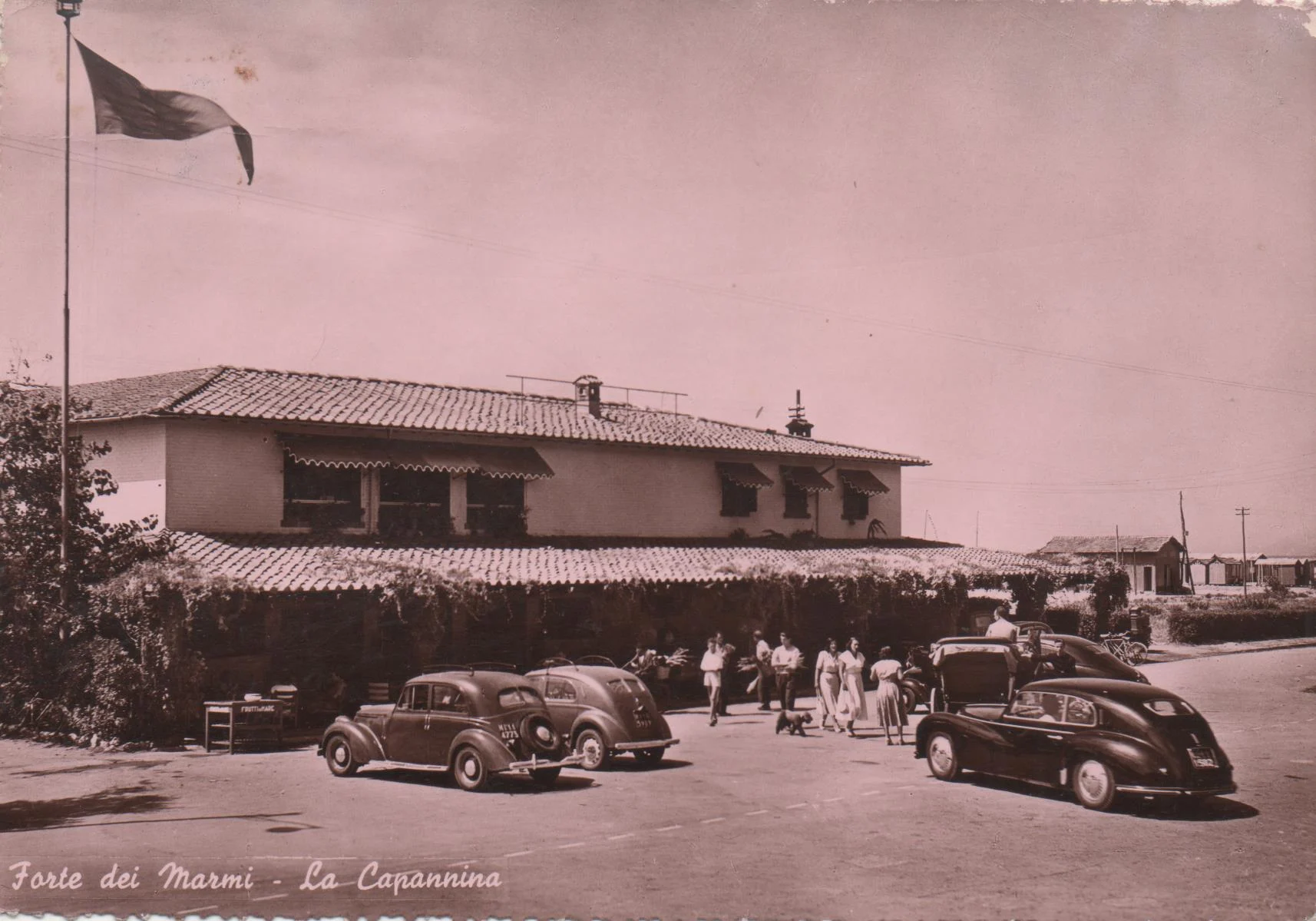
Some places belong to a town without needing an introduction. For Forte dei Marmi, La Capannina di Franceschi is one of them: an address that has crossed generations, seasons and changes in Italian society while continuing to evoke summer, music and social life.
The future of the historic venue is now taking a clearer shape. The project presented in September 2026 points to a reopening at Easter 2027 following a restoration inspired by the 1960s. The ambition is not to create a nostalgic replica, but to recover the venue’s original charm while meeting contemporary requirements for safety, hospitality and cultural programming.1
The announcement: reopening at Easter 2027
According to details presented by Michele Tacchella, deputy managing director of the Armani Group and administrator of the company managing the venue, La Capannina is expected to reopen in April 2027. The announced investment exceeds €30 million, and the new operation may employ approximately 150 people.1
The proposed calendar would run from Easter to early November, followed by an opening over Christmas. The first season will help determine the long-term rhythm, but the intention is already clear: to bring the venue back to life without limiting it to late-night entertainment.
Earlier updates had placed the reopening within the 2027 season, with renovation, redevelopment and safety compliance work continuing through 2026.3 The September presentation therefore provides a more precise timeframe and a fuller picture of the project.
Not an Armani Club: the name will remain La Capannina di Franceschi
One of the most significant decisions concerns the name. This will not become a new Armani Club, and the identity built over almost a century will not be replaced. The venue will remain La Capannina di Franceschi. According to the presentation, the Armani name will appear only on the staff uniforms, designed with a 1960s sensibility.1
The distinction matters. Contemporary luxury does not always gain value by replacing the past with a more powerful brand. Sometimes its strength lies in recognising that a name, a set of memories and a familiar place already constitute a form of heritage. Ownership has changed, but the story remains anchored to the Franceschi family and to Forte dei Marmi.
From 1929 to the Italian Dolce Vita
The story began in August 1929, when Achille Franceschi turned a beachside shed into a simple meeting place with tables, a bar counter and a hand-cranked gramophone. The idea preceded by many years the glamorous image that would make Forte dei Marmi famous. Before international boutiques and villas appeared in glossy magazines, the desire to gather by the sea was already here.4
La Capannina later became a destination for artists, writers, entrepreneurs and entertainers. Its evenings accompanied Versilia’s transformation into a capital of Italian summer life. The venue moved through different eras without changing its name and retained recognisable elements of its architecture.
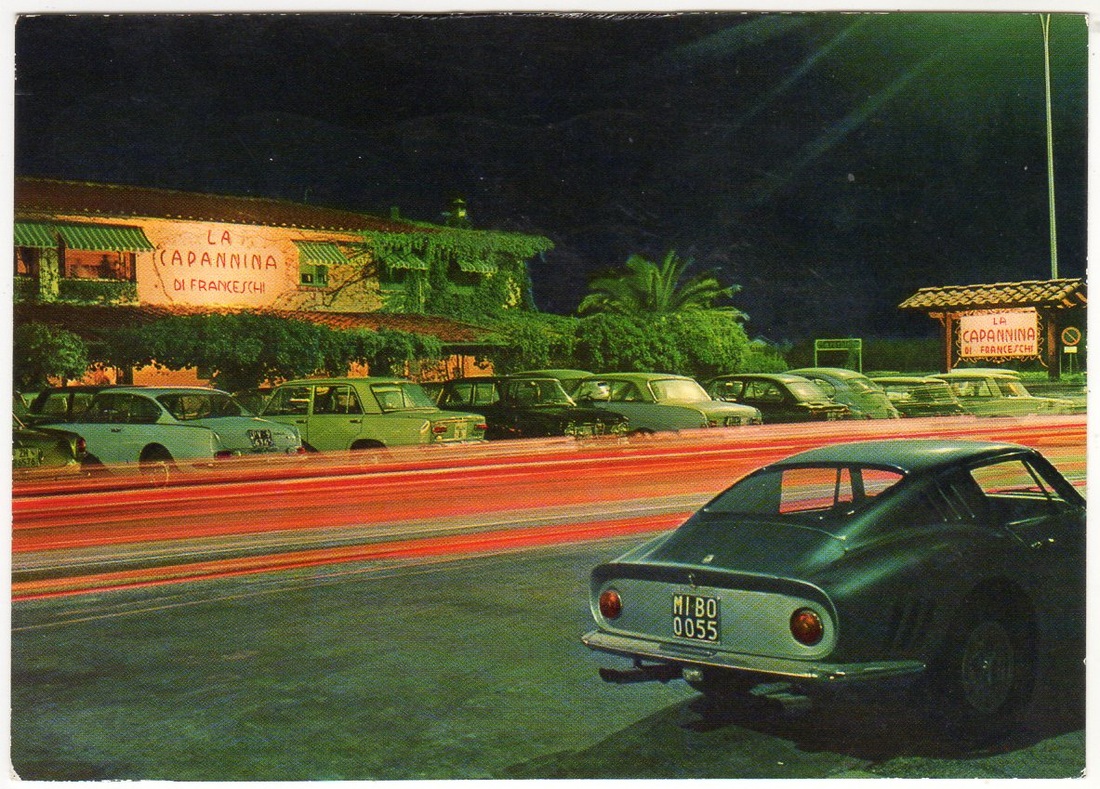
The 1966 image captures that atmosphere: illuminated signs, cars, arriving guests and a road that already feels part of the evening. It is a photograph of a nightclub, but also of the period in which Forte dei Marmi was defining a language that would become international.
A restoration project grounded in memory
The project is not limited to appearance. The floor structure will be reinforced and the roof rebuilt, alongside the work required to bring the building into line with fire-safety regulations. Furnishings that can no longer be used are expected to be reconstructed from historical documentation so that the rooms retain their recognisable character.2
The two existing bars, on the ground and upper floors, will remain. The historic flags are being restored by a specialist craftsperson. A more intimate mixology bar is planned upstairs, while the restaurant will occupy the former piano-bar area and may extend towards the dance floor.2
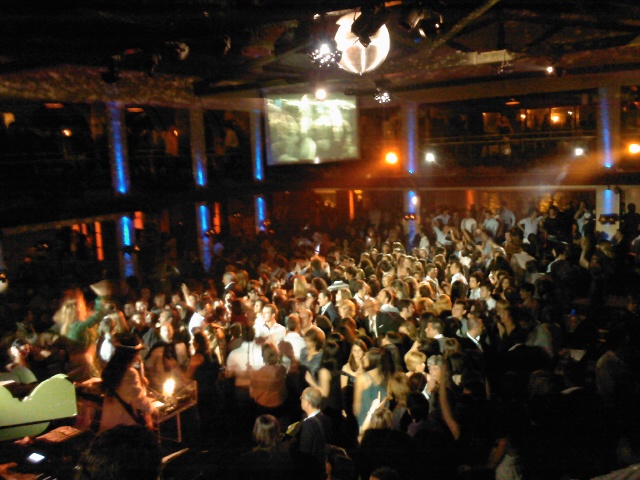
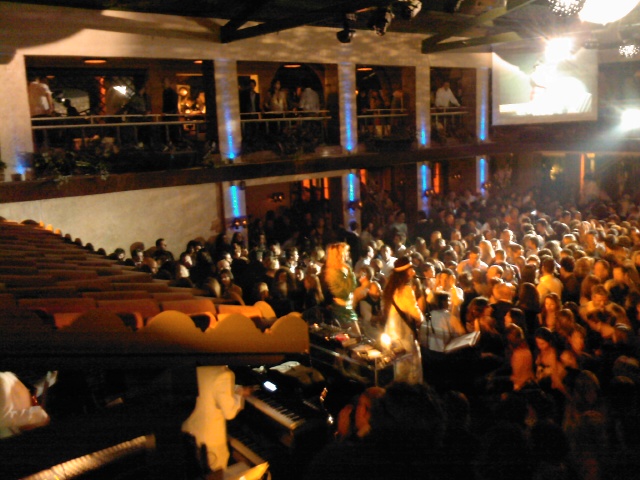
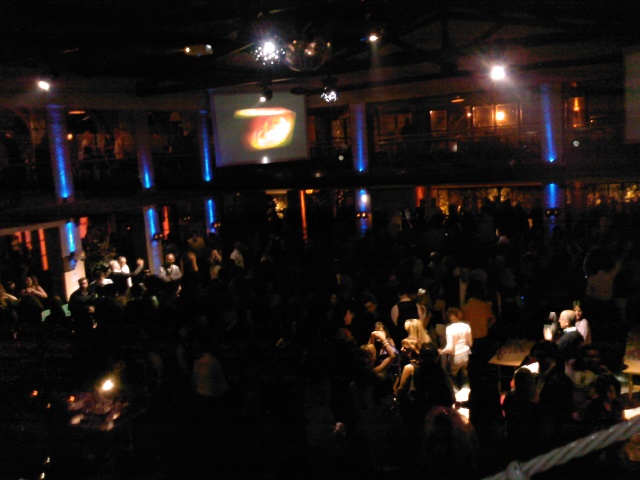
These photographs date from 2009 and do not document the current construction site. They do, however, make the historic layout legible: a central dance floor, the relationship with the upper gallery, the piano and the timber roof structure. These are the elements that make any transformation especially delicate.
Restaurant, café, piano bar and major concerts
The new programme is expected to combine several functions. A morning café will offer a simple Italian breakfast and space for reading newspapers; lunch is not part of the announced format. In the evening, the restaurant and piano bar will return, together with dinners accompanied by bands and concerts following the meal.
The project also looks towards international performers and a broader cultural role. One ambition is to restore the venue as a setting for events, conversations and initiatives such as the Premio Satira Politica. La Capannina is therefore being imagined as more than a nightclub: a place able to occupy different times of day and different parts of the season.1
Giorgio Armani’s personal connection with Forte dei Marmi
The acquisition announced in August 2025 was not presented simply as a property transaction. Giorgio Armani had frequented Forte dei Marmi since the 1960s, and it was at La Capannina that he met Sergio Galeotti, a decisive figure in the creation and development of the fashion house founded in 1975.
This personal link helps explain the restraint with which the project approaches identity. The Armani Group has the influence to turn the venue into a showcase for its own name, yet the stated direction is different: preserve the historic name, reconstruct what cannot be retained and use design as an instrument of continuity.
What the reopening means for Forte dei Marmi
For the town, the reopening matters beyond the boundaries of one venue. Restoring La Capannina means returning continuity to one of the symbols through which Forte dei Marmi is recognised in Italy and abroad. The investment, new employment and a season extending from Easter into autumn may strengthen the town’s cultural and hospitality offer beyond the central weeks of summer.
It would be unwise to draw automatic conclusions about property values: one project does not determine house prices. Yet the quality of public and private places, the preservation of historic landmarks and the availability of services across more months all contribute to the overall appeal of a destination.
Someone buying a home in Forte dei Marmi is not assessing square metres alone. They consider cycling to the sea, the life of the centre, restaurants, events and the town’s ability to preserve its identity. The new chapter at La Capannina belongs precisely within this broader story.
A new chapter, not a reproduction of the past
The most interesting aspect of the project may be its balance: a return to the 1960s without turning the venue into a static stage set. Building systems, safety and functions need to belong to the present; the name, proportions and atmosphere need to allow those who know La Capannina to recognise it.
The result can only be assessed after reopening. But the stated intention reflects a form of luxury that Forte dei Marmi understands well: not continually displaying the new, but allowing something with an existing history to live naturally.
Experience Forte dei Marmi beyond the summer season
Explore our selection of villas for sale and tell us which area, lifestyle and type of home you are looking for.
Questions about the new La Capannina
When will La Capannina di Franceschi reopen?
Reopening is planned for Easter 2027, with the first season beginning in April. The announced programme would continue until early November, followed by a Christmas opening.
Will the venue change its name?
No. According to the project presentation, it will remain La Capannina di Franceschi. The Armani name is not expected to appear on the sign and will instead feature on the staff uniforms inspired by the 1960s.
What spaces and activities are planned?
The plans include an evening restaurant, a morning café, piano bar, live music, concerts, a mixology bar and cultural events. The project also includes structural restoration and safety upgrades.
The 1950 and 1966 photographs are in the public domain according to their Wikimedia Commons file pages. The interior photographs date from 2009 and are available under CC BY-SA 3.0; they do not show the state of the building work in 2026. No photographs from the cited press articles have been republished.